How To Add Color And Texture To Your Landscape
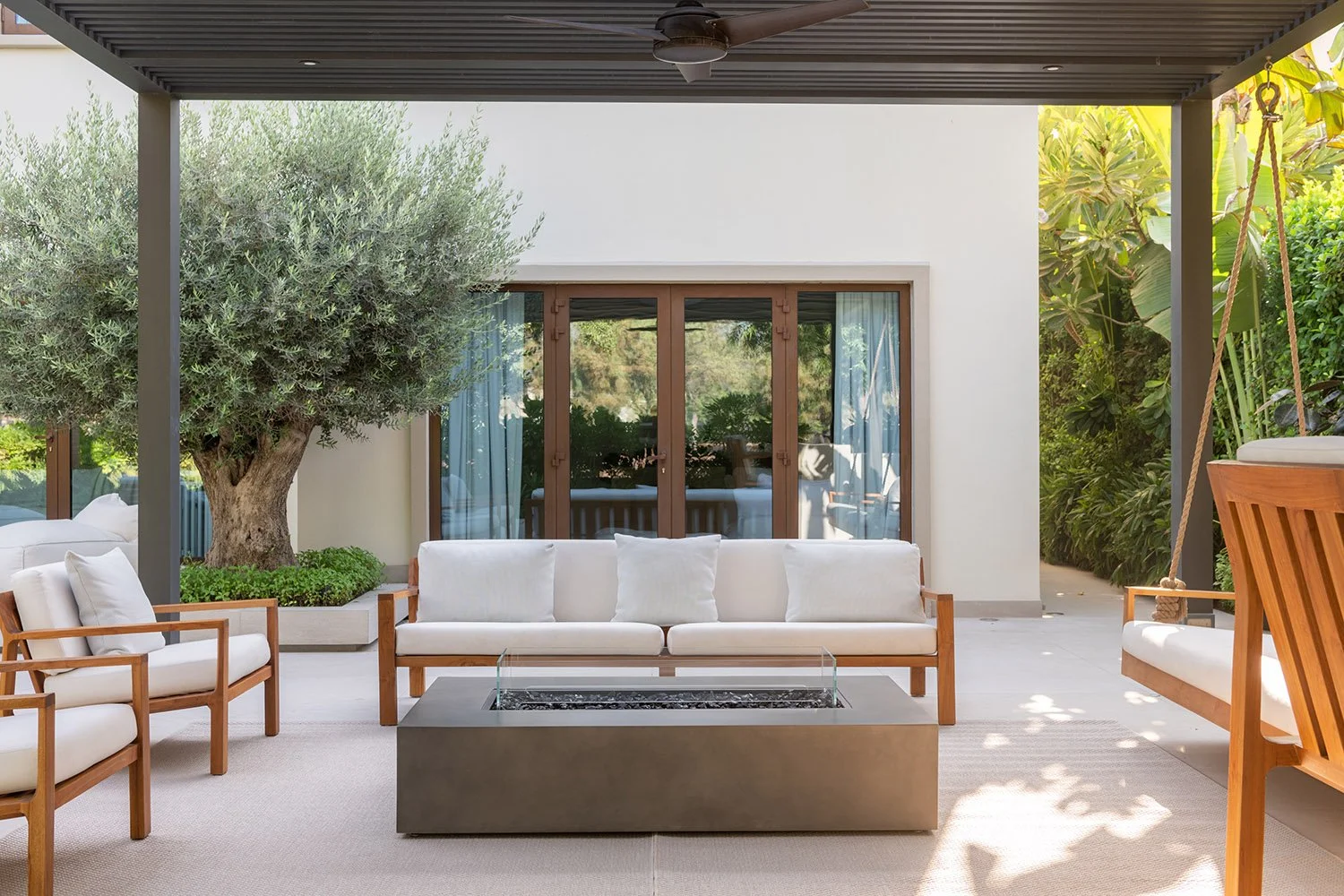
Color and texture add character, energy, and visual interest to outdoor spaces. A mix of flowers, foliage, stone, wood, and decorative features adds depth while keeping the space inviting throughout the year. Thoughtful plant choices also bring fresh tones and natural contrast to patios, lawns, and garden beds. With a few simple ideas, you can give your Dubai landscape a lively appearance that feels welcoming.
Mix colorful plants
Flowers offer an easy source of color for outdoor areas. Choose plants with different bloom times so the garden shows fresh shades across the seasons. Red, yellow, pink, purple, orange, and white flowers each add a distinct mood. Place bright flowers near seating areas, entrances, or garden borders for strong visual interest. Green foliage provides a calm base and helps colorful blooms stand out.
Combine different leaf textures
Leaves come in many forms, sizes, and finishes. Broad leaves add a soft, full look, while narrow leaves give planting beds a lighter appearance. Ferns, ornamental grasses, shrubs, and leafy plants offer useful contrast. Mixing smooth, rough, glossy, and fine foliage gives the garden a richer visual character without relying on flowers alone.
Add natural materials
Stone, timber, gravel, and brick introduce earthy texture. A stone border around a flower bed adds definition, while gravel gives pathways a crisp surface. Wooden benches, raised beds, and screens introduce warmth. Use two or three materials across the space to keep the design connected and easy on the eyes.
Use pots and garden features
Planters offer another chance to add strong colors and textures. Ceramic pots, concrete containers, metal planters, and wooden boxes each provide a different visual effect. Place them beside doors, patios, steps, or seating zones. Decorative rocks, water bowls, sculptures, and lanterns also add small details that make outdoor areas more interesting.
Balance bright and soft tones
Too many bold colors may make a garden look crowded. Pair strong shades with soft greens, neutral stone, and natural wood. This balance gives bright flowers room to stand out while keeping the overall setting calm. Repeat selected colors in different areas to give the garden a unified appearance.
Refresh the space with seasonal choices
Seasonal plants keep outdoor areas fresh and lively. Summer flowers add strong color, while autumn plants introduce warm tones. Evergreen shrubs offer steady greenery during colder months. Rotate smaller pots and flower displays as seasons beyond, giving the space a fresh look with simple updates.